The Micro Budget Film BOOM? How Filmmaker Jason Morris Makes Movies for $3K
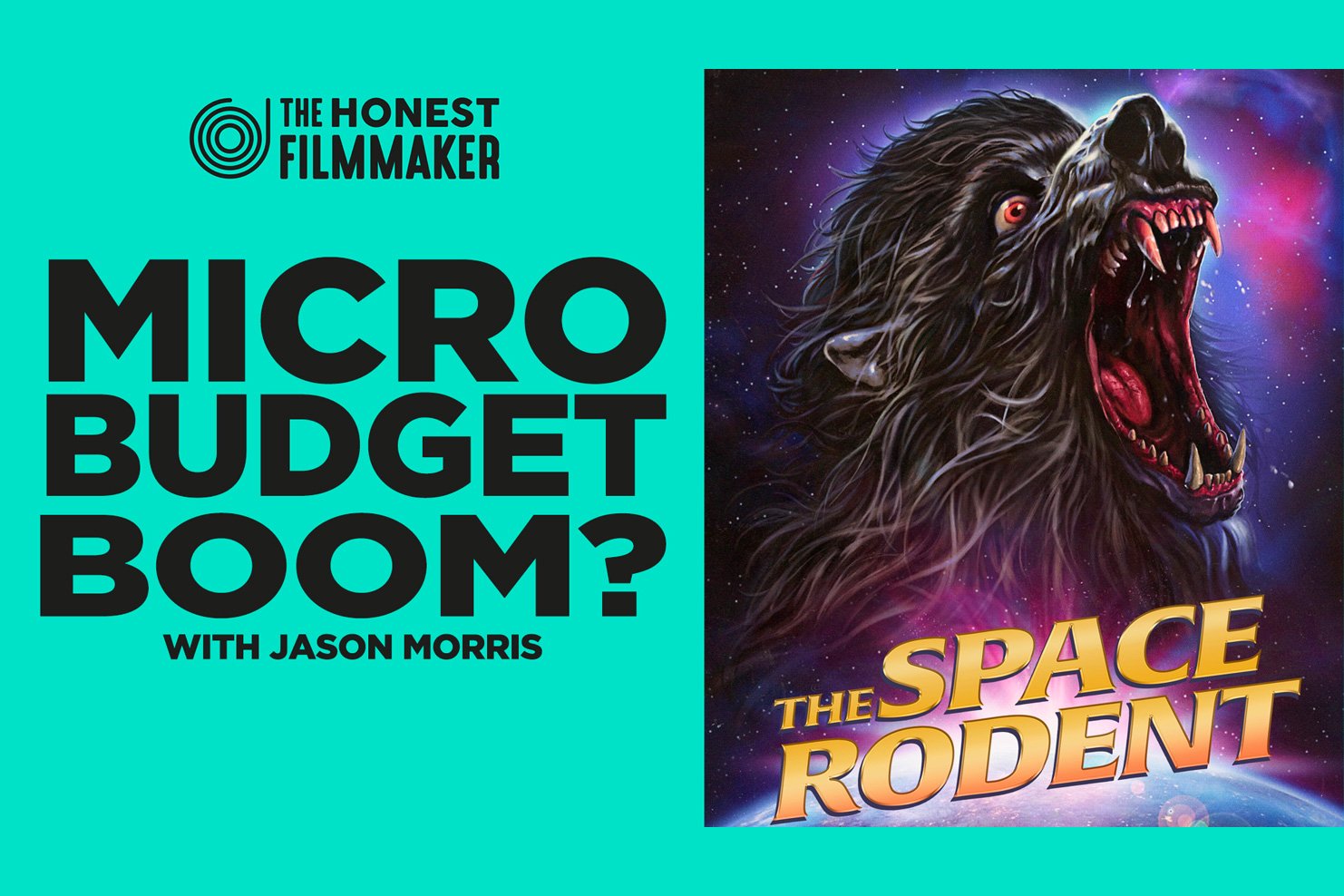
In this episode, filmmaker Jason Morris offers a refreshingly honest look at the realities of micro budget filmmaking in 2026, cutting through the romanticism that often surrounds independent cinema. From his first feature to producing a $3,000 monster movie, Jason speaks candidly about the challenge of getting films financed, made and — most importantly — seen. Alongside host Jim, the conversation explores how both of their journeys into filmmaking unfolded, setting the tone for a discussion rooted in experience rather than theory.
One of the biggest talking points is the difficult economics of low-budget features. Jason explains how different budget levels bring entirely different pressures, particularly once filmmakers cross into the $100,000 range, where turning a profit can become surprisingly difficult. While there’s more access to equipment and production tools than ever before, the path to recouping investment remains uncertain. Yet, despite the challenges, Jason believes there is genuine momentum in the micro budget space, with filmmakers increasingly finding niche audiences and new ways to get their work in front of viewers.
Distribution becomes a major focus of the discussion, with Jason breaking down the complicated world of sales agents, traditional distributors and newer platforms such as Filmhub. Rather than presenting a one-size-fits-all solution, he shares practical insights into how release strategies differ depending on the film and the goals behind it. The episode also touches on contract pitfalls and the warning signs filmmakers should watch for when entering distribution agreements, especially when rights and ownership can become murky over time.
The conversation takes a lighter turn with Space Rodent, Jason’s wonderfully scrappy $3,000 monster movie, complete with a rubber creature that perfectly embraces the spirit of independent genre filmmaking. What starts as a funny anecdote gradually becomes a case study in creative problem-solving — making something memorable without the luxury of a huge budget. Jason also discusses whether films like these can genuinely make money, as well as the enduring appeal of physical releases in an increasingly digital industry.
Towards the end of the episode, the discussion shifts to artificial intelligence and its growing place within filmmaking. From AI-generated artwork to wider concerns about creative authenticity, Jason approaches the debate with a balanced perspective rather than outright fear or enthusiasm. Looking back on his career, he reflects on what he wishes he had known when starting out, offering grounded advice that will resonate with emerging filmmakers trying to navigate an industry that continues to evolve at speed.